Valves
Valves
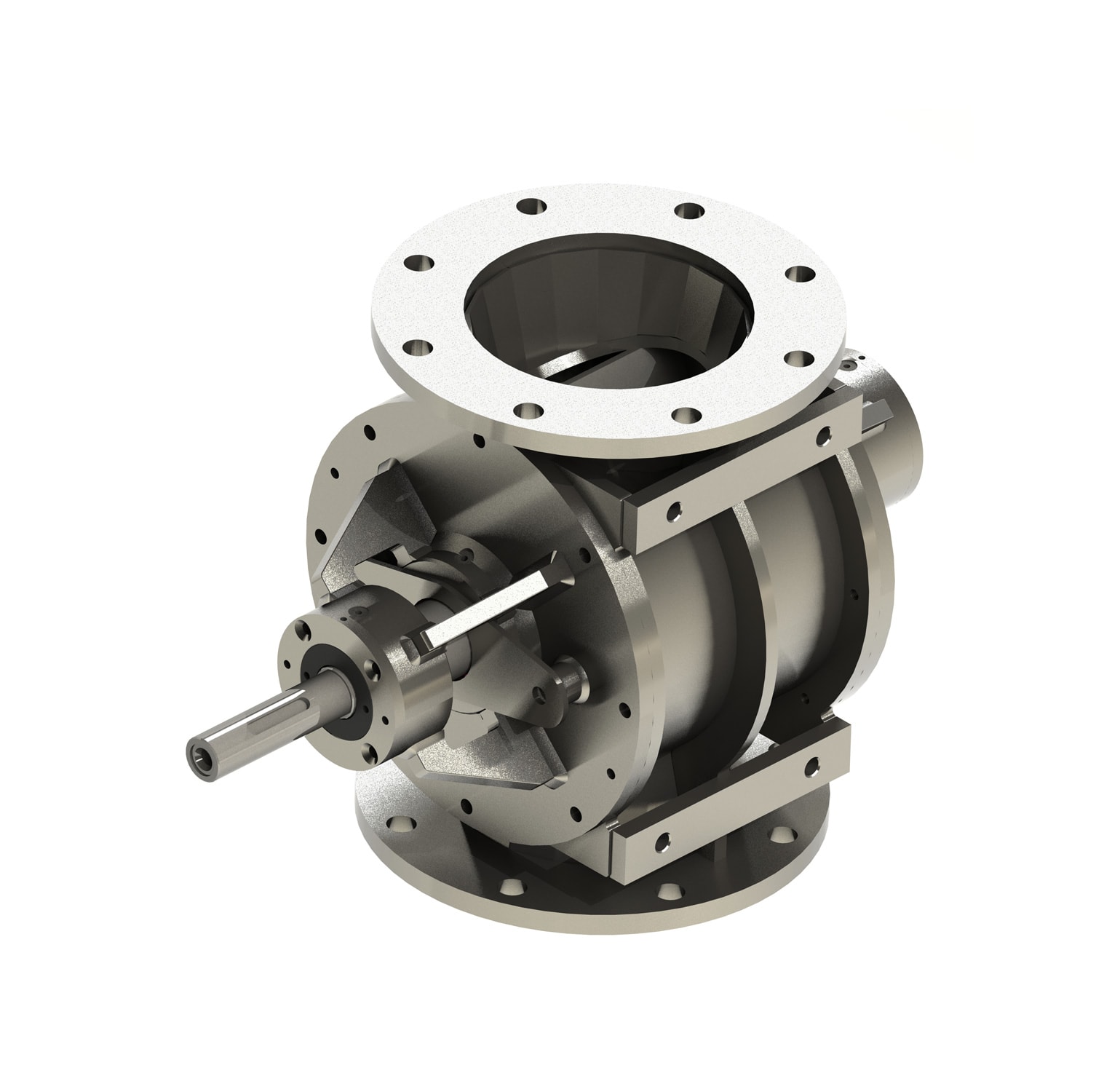
Valves are vital components in piping systems, designed to regulate, control, or direct the flow of fluids such as liquids, gases, and slurries. By opening, closing, or partially obstructing passageways, valves ensure efficient and safe operation across a wide range of industrial applications. Manufactured from durable materials like carbon steel, stainless steel, and alloy steel, valves are engineered to withstand high pressure, temperature, and corrosive conditions.
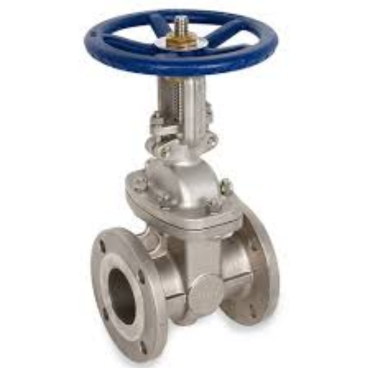
There are several types of valves, including gate valves, globe valves, ball valves, check valves, butterfly valves, and plug valves — each serving specific purposes based on flow control requirements. Valves can be operated manually, pneumatically, or automatically, depending on system design and application needs.
Built to meet international standards such as ASTM, ASME, API, and DIN, valves are commonly used in industries like oil and gas, petrochemical, power generation, water treatment, and marine engineering.
Their robust construction, precision sealing, and ease of maintenance make them indispensable for ensuring process reliability and operational safety.
Overall, valves provide a dependable and efficient solution for maintaining accurate flow control, pressure regulation, and system protection in modern industrial piping networks.

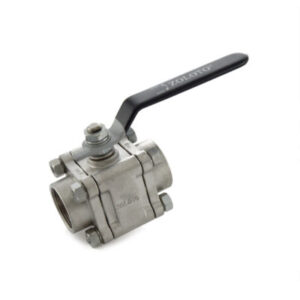
Ball Valves
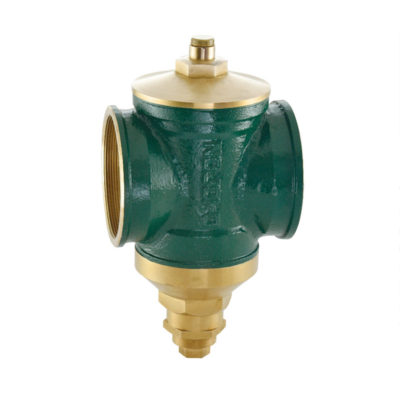
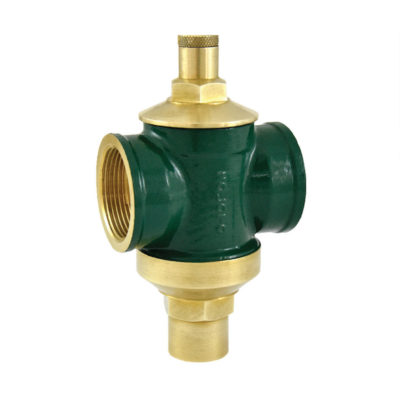
Pressure Reducing Valves
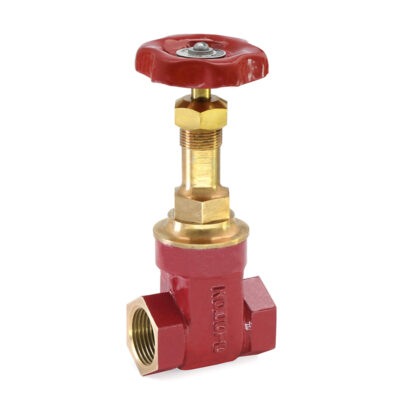
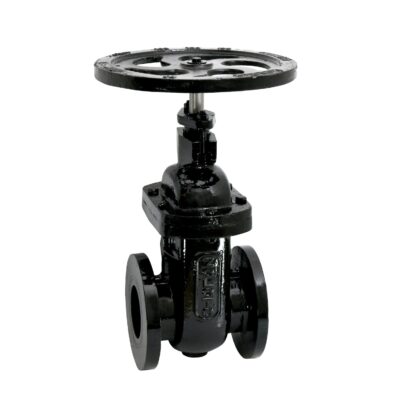
Gate Valve
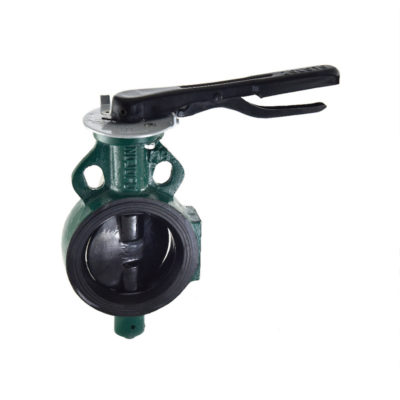

Butterfly Valves
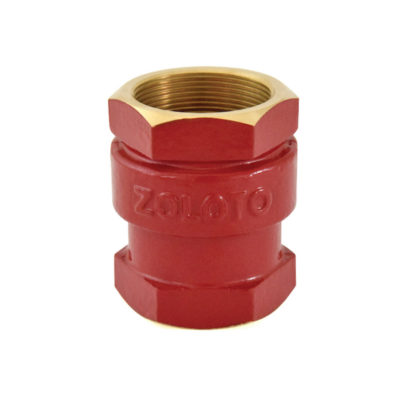
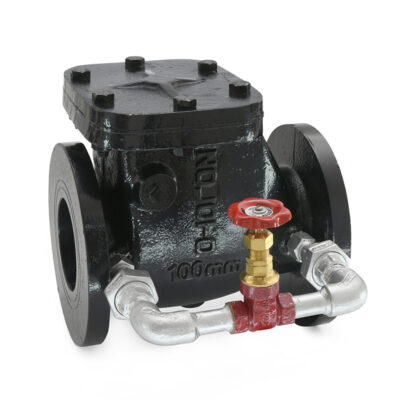
Check Valves
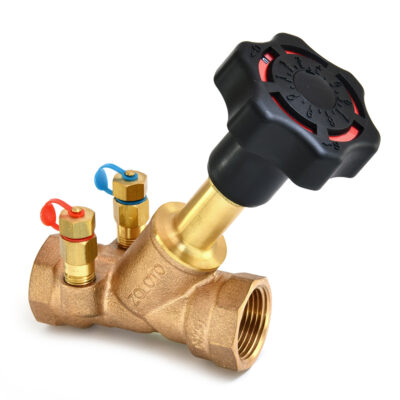
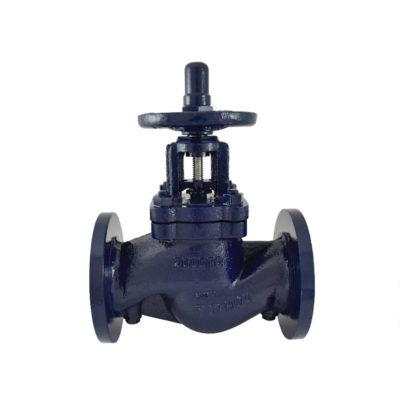
Double Regulating Balancing Valves
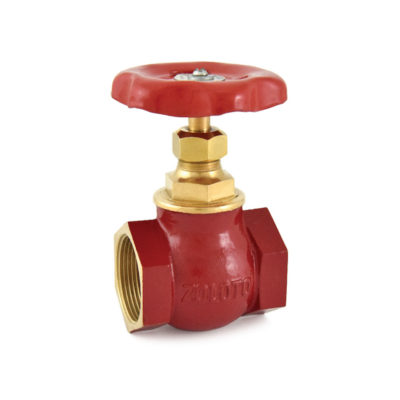
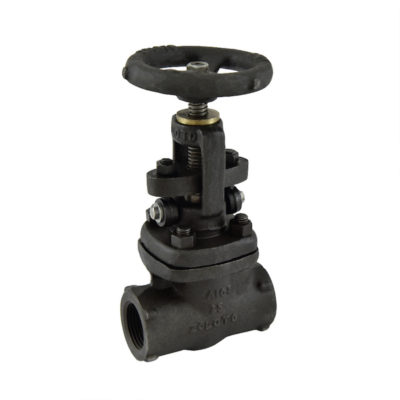
Globe Valves
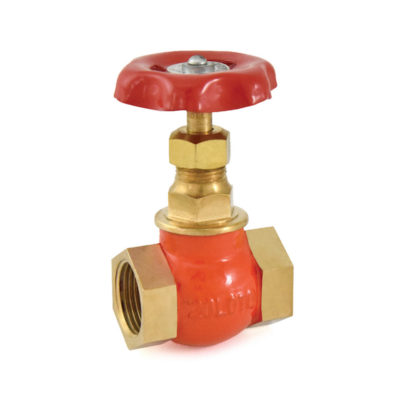
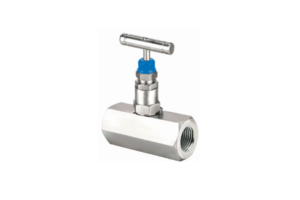
Needle Valve

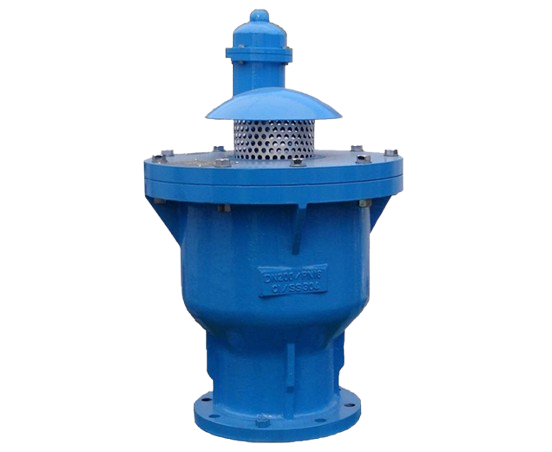
Air Valves
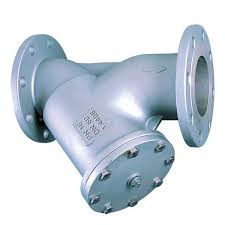
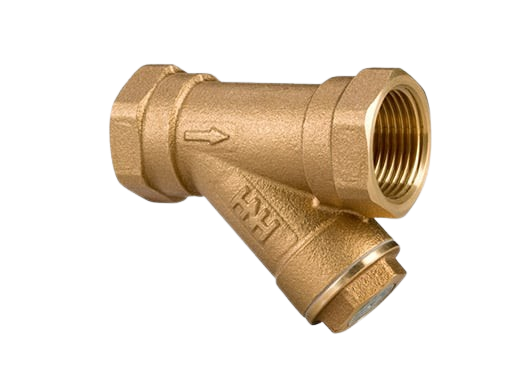
Strainers
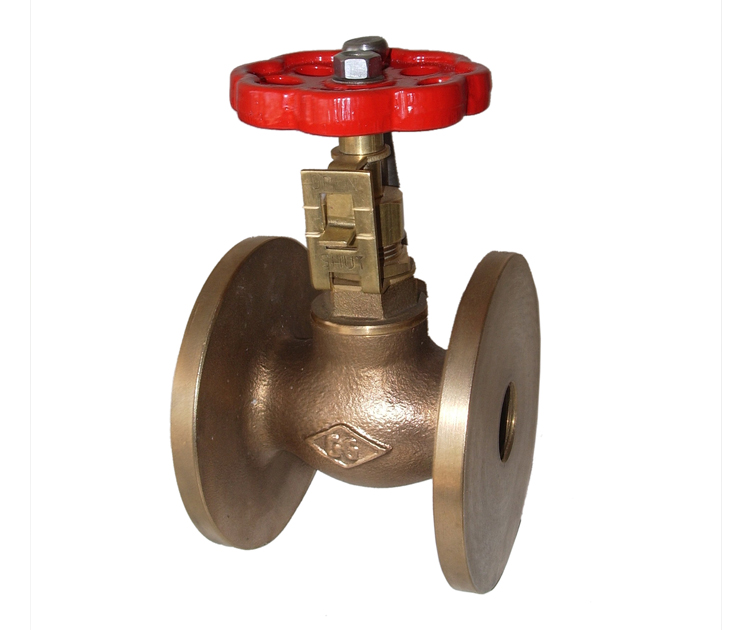
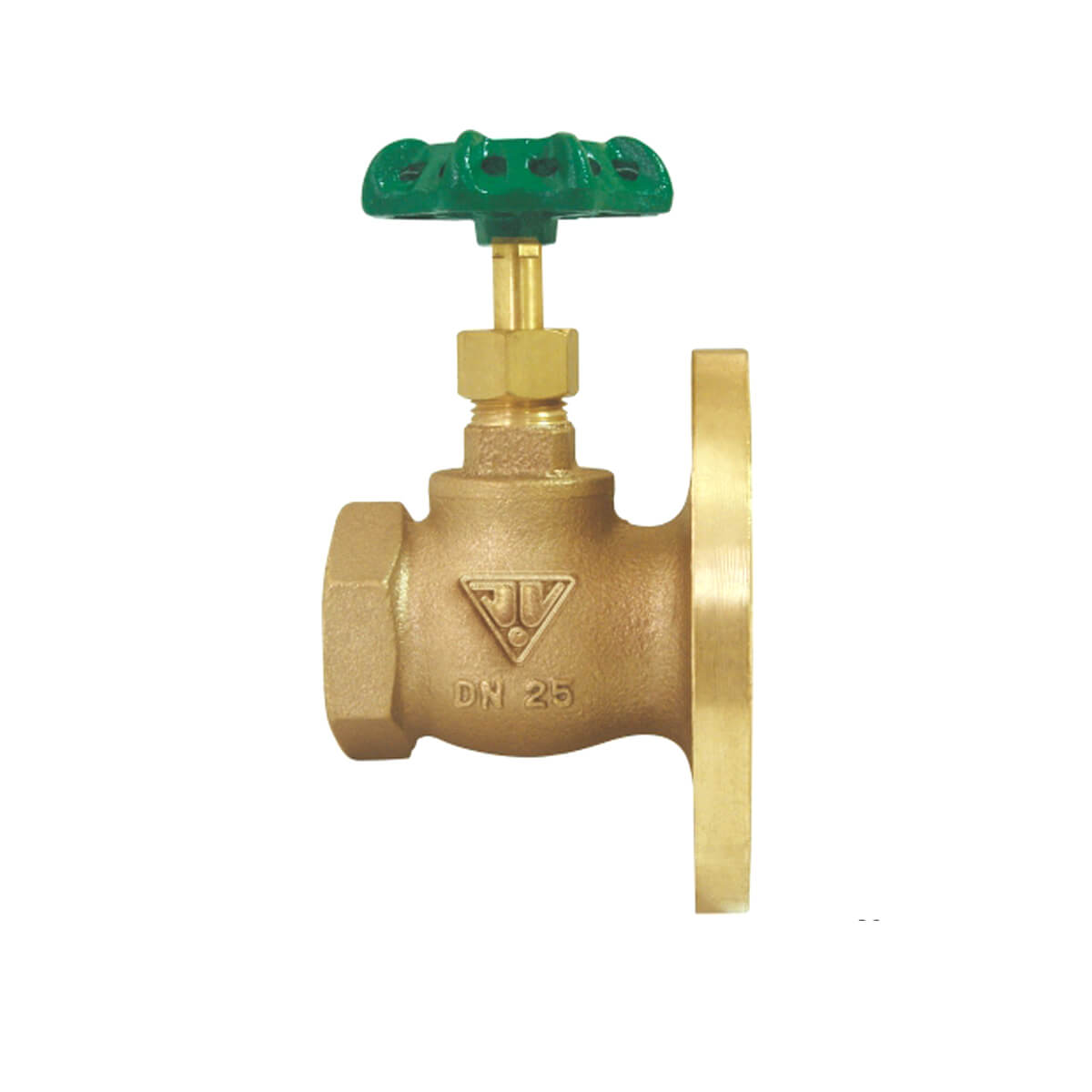
Transformer Valves
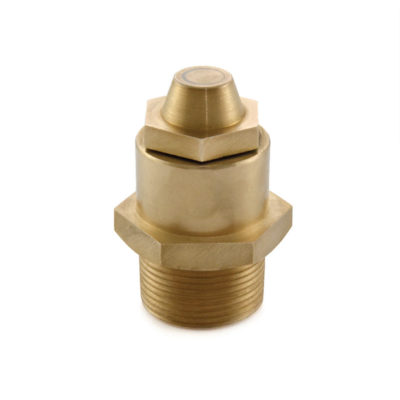
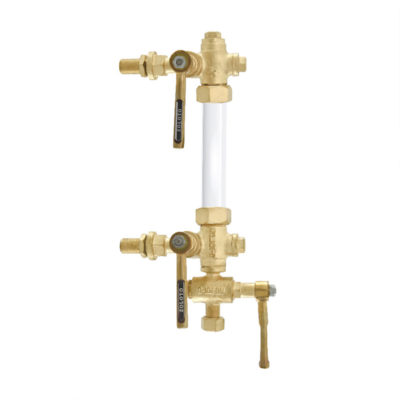
Other Valve