CS Carbon Steel Pipe
CS Carbon Steel Pipe
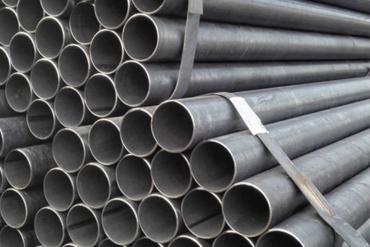
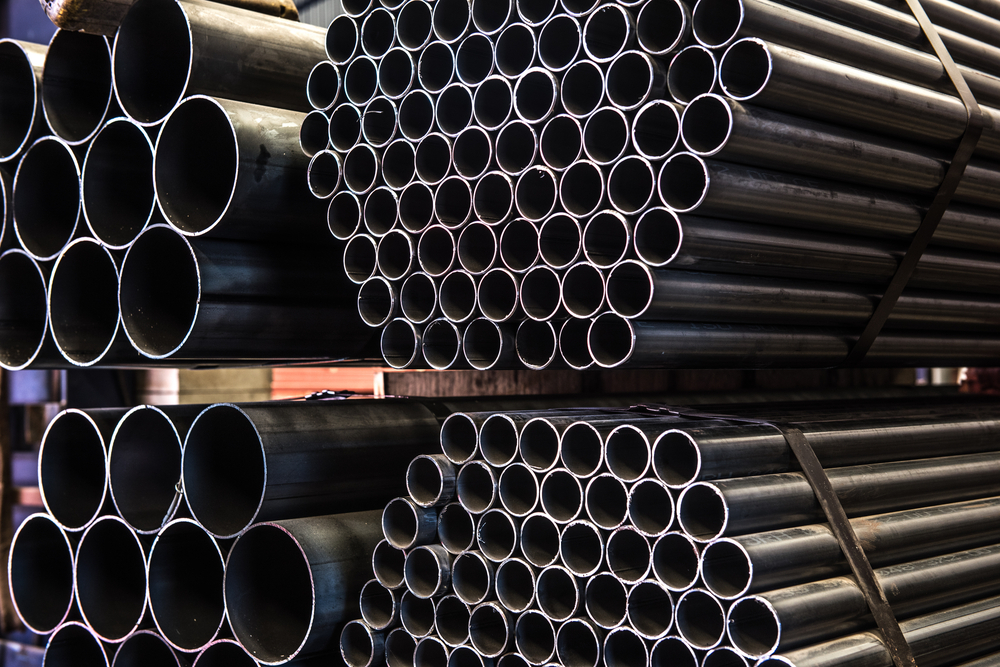
Carbon Steel (CS) Pipes are among the most widely used types of metal piping, valued for their exceptional strength, durability, and versatility across industrial applications. These pipes are manufactured primarily from an iron-carbon alloy, which provides excellent mechanical properties and cost efficiency. Depending on the manufacturing method, carbon steel pipes can be either seamless or welded — each suited to specific pressure and temperature conditions.
CS Seamless Pipes are produced by piercing and rolling solid steel billets, resulting in a continuous structure with superior pressure resistance and uniformity. CS Welded Pipes, on the other hand, are made by forming steel plates or coils into cylindrical shapes and welding the seam using processes such as Electric Resistance Welding (ERW), Longitudinal Submerged Arc Welding (LSAW), or Spiral Submerged Arc Welding (SSAW). After fabrication, the pipes are heat-treated and surface-finished to enhance their strength and corrosion resistance.
Due to their high tensile strength and ability to withstand extreme conditions, Carbon Steel Pipes are extensively used in the oil and gas industry, power plants, petrochemical processing, and water transportation systems. They conform to ASTM and ASME standards such as ASTM A106, A53, and API 5L, ensuring quality and performance in demanding applications. Offering a perfect balance between durability, affordability, and load-bearing capacity, CS Carbon Steel Pipes remain a reliable choice for both high-pressure and structural applications.
Carbon Steel Pipes