Stainless Steel Welded Pipe
Stainless Steel Welded Pipe
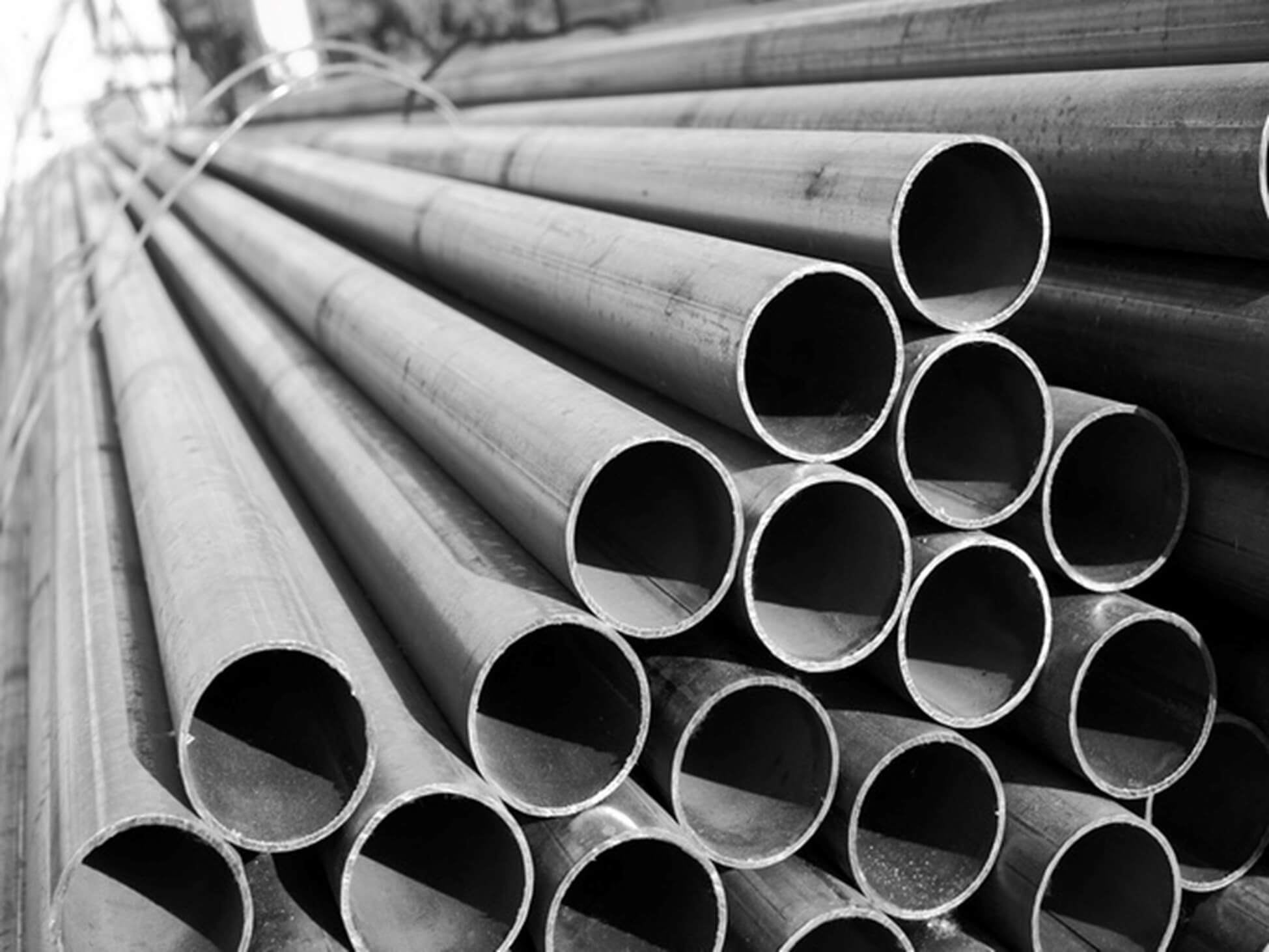
Stainless Steel Welded Pipes are among the most widely used forms of stainless steel piping, known for their strength, versatility, and cost-effectiveness. These pipes are produced by rolling stainless steel plates or strips into a cylindrical shape and then welding the seam using advanced techniques such as Electric Resistance Welding (ERW) or Tungsten Inert Gas (TIG) welding. Once the welding process is completed, the pipes undergo heat treatment and finishing operations to ensure smoothness, consistency, and enhanced corrosion resistance along the weld joint.
Unlike seamless pipes, which are formed from solid billets, welded pipes offer more precise dimensional accuracy and can be manufactured in larger diameters with thinner walls. The chromium content (typically 11% or higher) in stainless steel gives these pipes excellent resistance to rust, oxidation, and chemical attack, making them ideal for use in both industrial and structural environments.
Stainless Steel Welded Pipes are commonly utilized in systems designed to transport fluids and gases at moderate pressures and temperatures. They are frequently employed in water distribution systems, heat exchangers, chemical processing units, and architectural structures. Conforming to ASME B36.19 standards, these pipes deliver a balance of mechanical strength, corrosion resistance, and cost efficiency, making them a dependable choice for a wide range of engineering applications.
Schedule 80 SS Welded Pipe